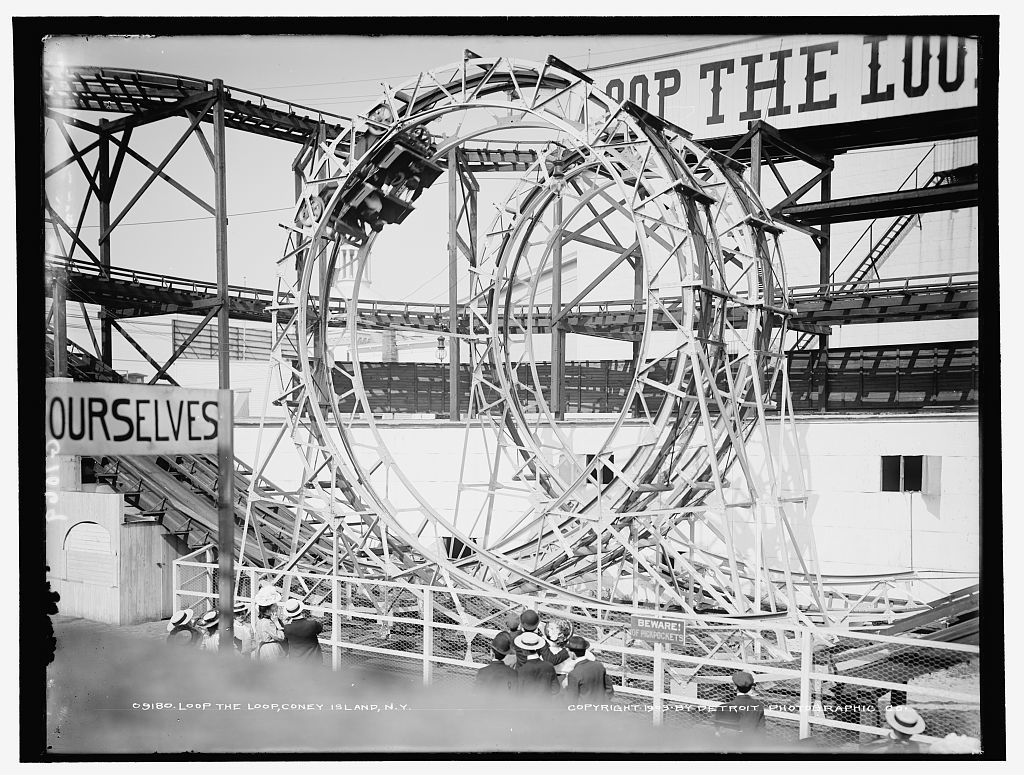
Did you know that both the idea and the reality of the amusement park is 500 years old? Combining dedicated outdoor space, rather than a traveling fair, with installations and activities intended to entertain visitors, they started out as European gardens providing opportunities for such activities as bowling, along with some early renditions of what have become known as “amusement park rides.” Now, of course, they are spread throughout the world and the emphases have shifted to providing paying visitors with opportunities to be thrilled by rides or entertained by costumed characters, plenty of food and drink, and a days-worth—or weeks-worth—of attractions that take visitors beyond their everyday lives and experiences.
Underlying the fun and the excitement, the rides and shows result from areas of science put to practical uses. While visitors are being thrilled, there are fascinating scientific inventions and presentations to be discovered under the hood. Physics, biology, chemistry, and other “pure” sciences all have roles in what happens—and has happened—as amusement parks developed by exploiting “applied” sciences. Sometimes, a new invention that had yet to be accepted could be folded in to an amusement, giving visitors a first hand opportunity to understand the invention’s potential value. Let’s take a look at a pair of books that give us glimpses behind the thrills to science at work.
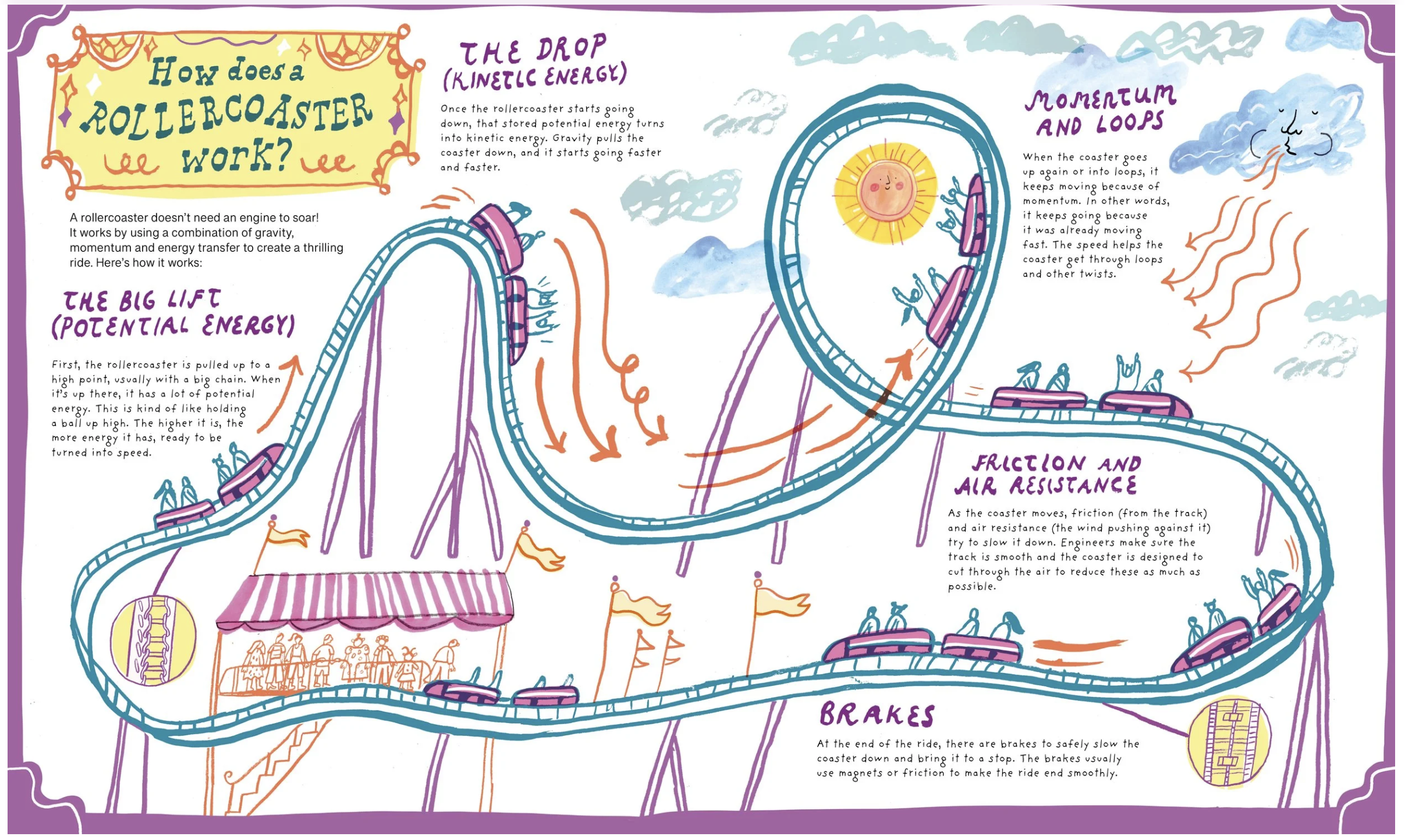
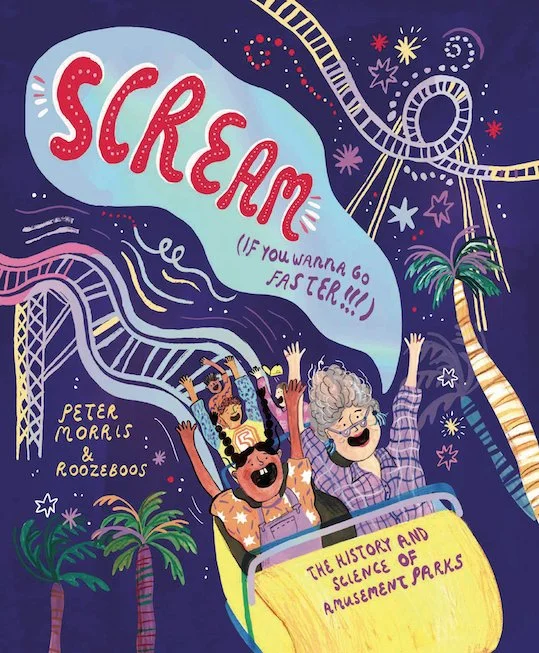
SCREAM IF YOU WANNA GO FASTER published by Cicada Books, is written by a mechanical engineer turned high school science teacher. Accompanying Australian Peter Morris’ text are appropriately wild and colorful illustrations by well-known Dutch children’s book artist Roozeboos. Discover here the development of the roller coaster, which dates back to 17th century Russia, and how centripetal force allows flying chair rides to keep passengers whipping out into wide arcs around the now motorized center. Beyond history, there are lots of drawings of the working parts of many popular rides.
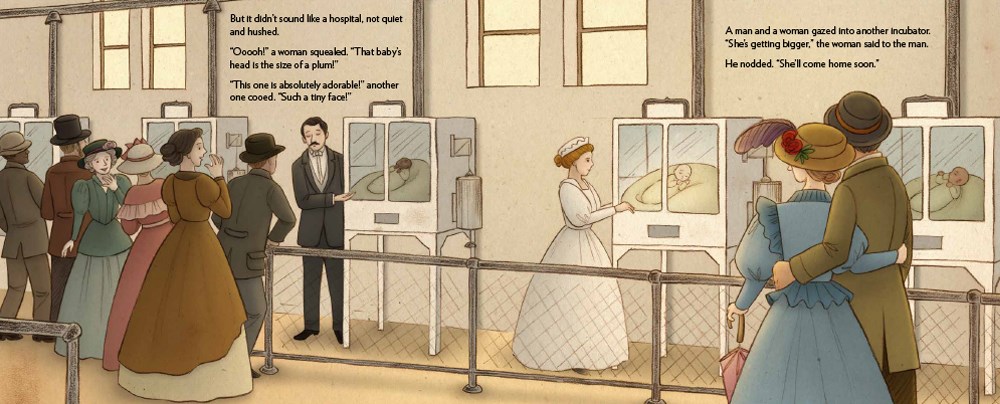
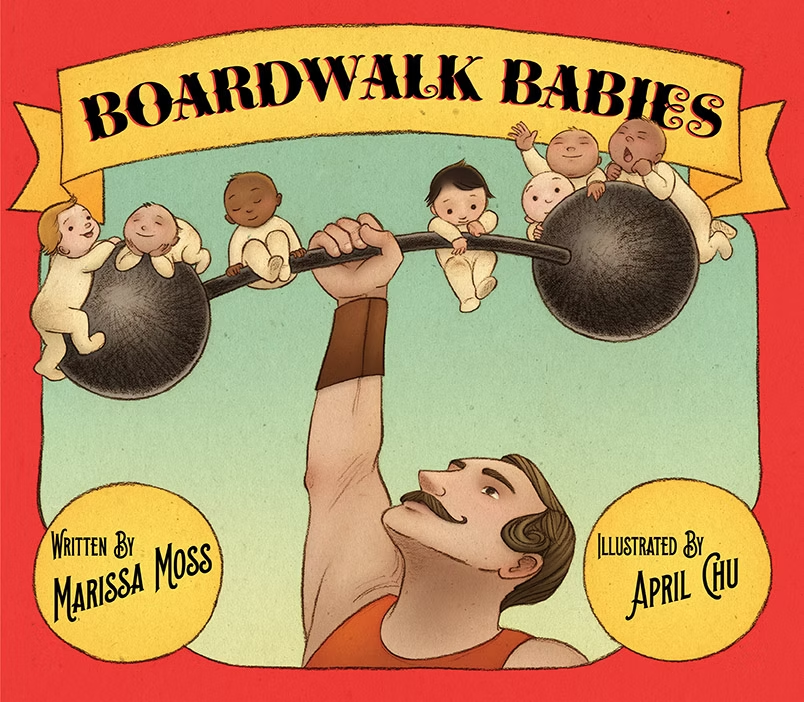
BOARDWALK BABIES, published by Creston Books, is written by Marissa Moss with illustrations by April Chu. Here the focus is on one particular display created for visitor entertainment (and wonder) at New York’s Coney Island over a hundred years ago, when Coney Island was the starring amusement park destination in the US. Those “boardwalk babies” were real live newborn infants, including those born prematurely, cocooned in incubators. While the invention was a serious one, it was made an amusement park attraction to gain public approval when it had, at first, been rejected by medical specialists. Imagine the neonatal nursery at the local hospital as an amusement park installation!
Science put to the purpose of public entertainment before taking an important role in practical—and even life-saving—endeavors isn’t unique to incubators. Steam powered amusement park rides, even before Frederick Savage formalized the steam-powered merry-go-round in the 19th century, about the same time steam was put to use in aid of transport, for another example, as SCREAM IF YOU WANNA GO FASTER notes.
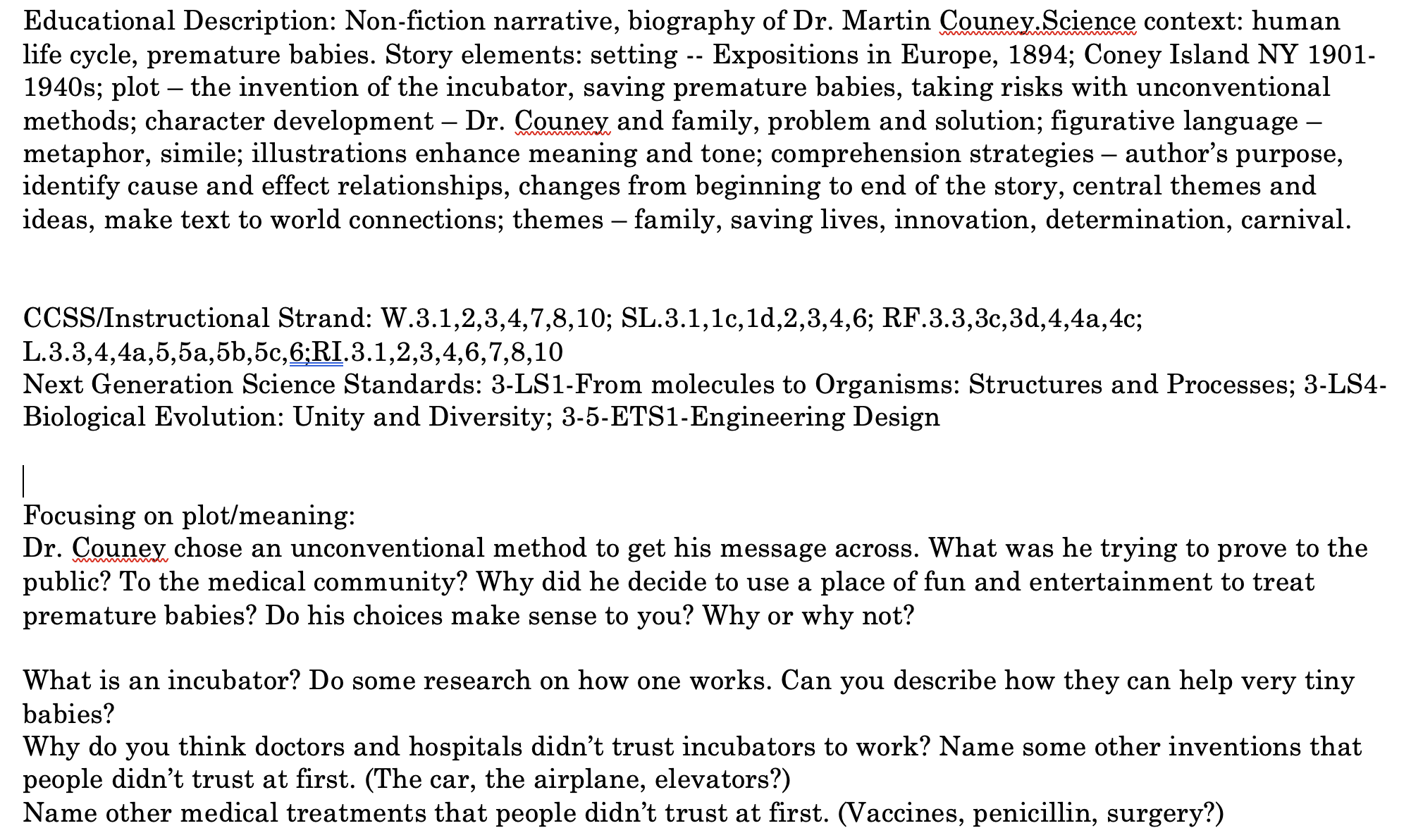
Both books offer middle grade readers rich backmatter that expands scientific vocabulary as well as presenting contextual information to help readers find out more about the facts presented. As ever, Creston Books also provides a free Curriculum Guide for BOARDWALK BABIES to aid teachers and parents who want to incorporate it more formally into lessons. (Find it in full on the book’s webpage on the publisher’s site, linked above.)
So Many STEM topics to Explore with Amusement Park Crafts!
Amusement park foods like cotton candy rely on science to make them possible. However, cotton candy relies on project-dedicated equipment you probably don’t own. Instead, here are some amusement park crafts you can try with no special equipment. (If you want to splash out, you can rent a small cotton candy machine for your audience to enjoy as they view and appreciate your finished craft project, heightening their amusement park experience.) Also check out Pinterest for more simple and complex amusement park crafting ideas.
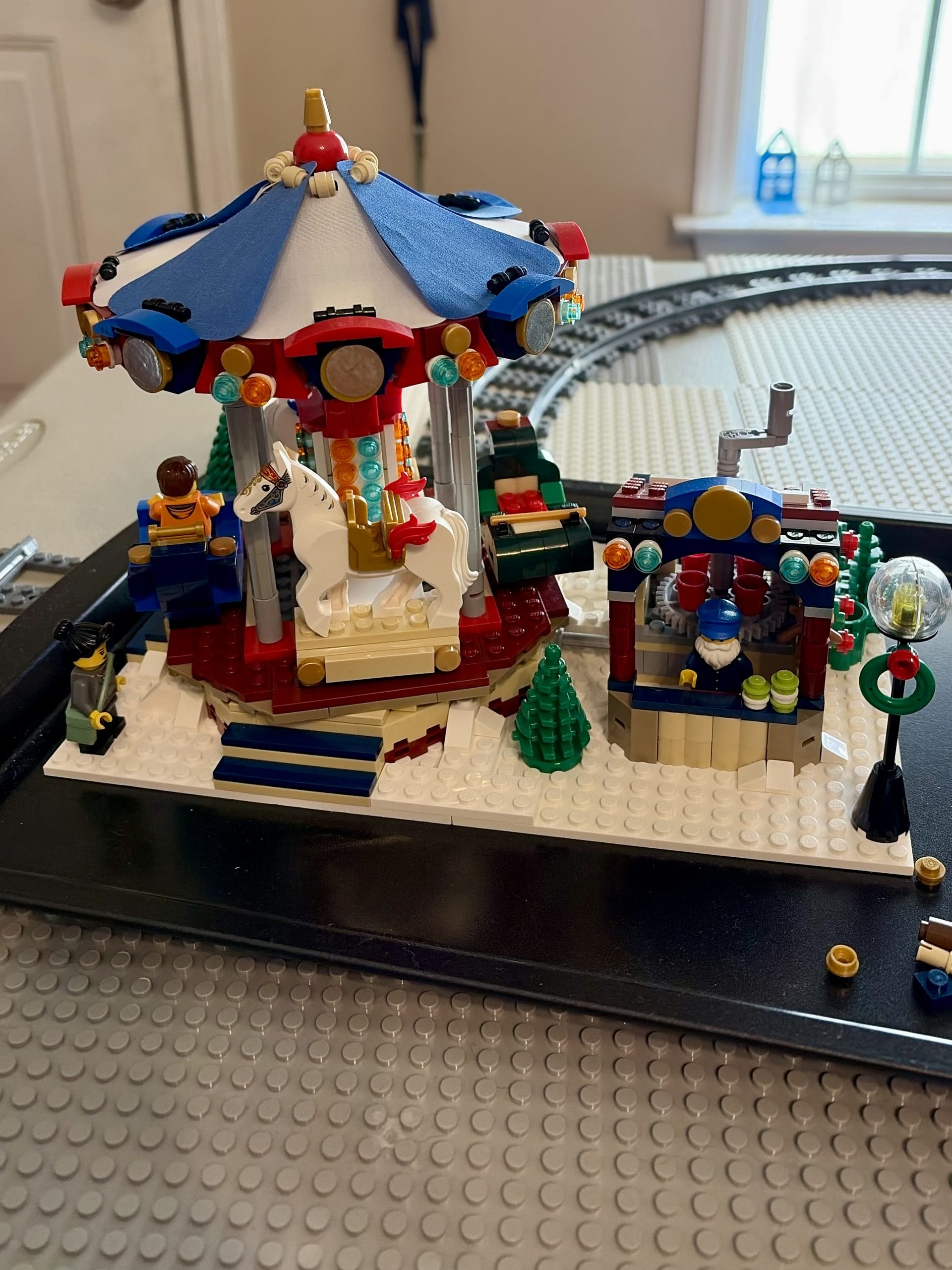
Investigate the physics of spinning with this paper cup model of a flying chairs ride
Observe how heat can create motion with this thermal flower craft
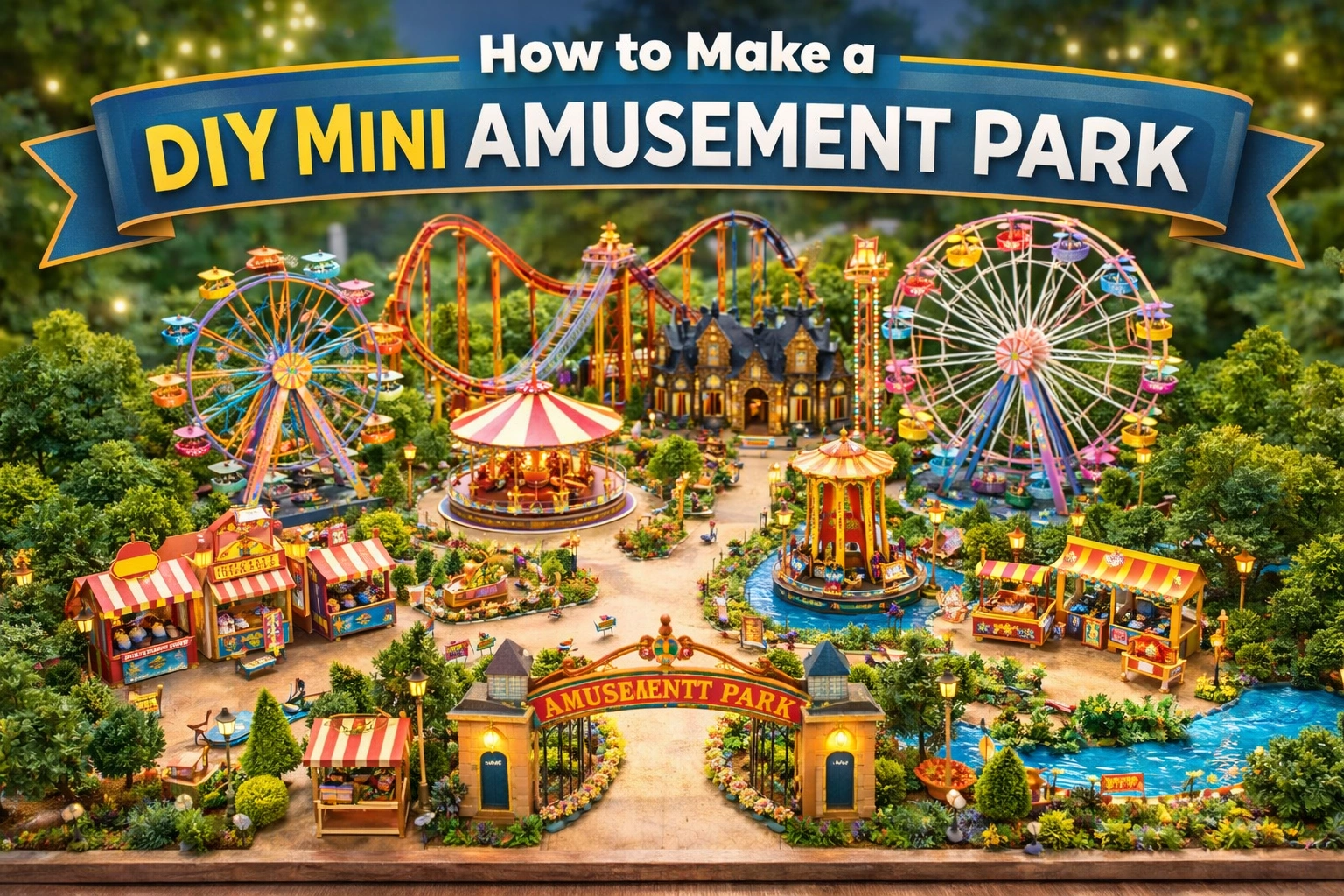
Feeling super ambitious? Thanks to Elina Taylor, here is a full DIY Mini Amusement Park: Step-by-Step Craft Guide that become a group project in the classroom or as a library-based program.